
Winter is hard on lawns! Between snow, freezing temperatures, lack of sunlight, snow mold, and often being covered in leaves for months, it’s not surprising that grass looks a little tired and worn out come spring.
Fortunately, it’s not a permanent condition and there are ways to help your lawn recover and prepare for the growing season, including that perennial favorite soil and lawn amendment: compost. Keep reading to learn more.
Is Your Lawn Stressed Out? Here’s How to Tell.
While we may think that all grass goes into a state of dormancy in winter, the truth is that some varieties do, but many others do not. It also depends on your climate. And while dormancy can protect the grass by conserving energy, drying out blades so crystals can’t form, and generally giving the grass a good rest, damage can still occur (just like with grass that remains in an active growing state).
Some common signs of stress and damage from winter conditions include:
- Bare or thin patches.
- Uprooted tufts and exposed root systems.
- Matted, discolored, or flattened grass.
- Waterlogged or muddy areas that aren’t growing well.
- Delayed spring green-up.
Even if your yard is looking mostly yellow, muddy, or flat, an application of compost can do wonders to restore grass’s vigor.
Recover and Repair with Compost
Compost is made from plant matter (e.g., leaves, fruit and vegetable trimmings, grass clippings, eggshells, dead plant material) that has been allowed to decompose in an environment with controlled temperatures and moisture. After decomposition, compost is aged to allow its chemical composition to stabilize, and so that its texture becomes more uniform. Properly aged compost is a nutrient-rich amendment with many benefits for planting beds and yards alike, such as:
- Adding organic matter.
- Improving soil structure.
- Enhancing nutrient retention.
- Supporting/feeding beneficial microbes and organisms in the soil.
- Helping soil absorb, distribute, and drain water efficiently.
How Compost Repairs Winter-Damaged Soil
Compost is generally lighter than soil, more crumbly, and bulkier. Working it into the very top layer of your yard with a rake, pitchfork, or spreading after core aeration helps to break up clumps of soil that have compacted due to excess moisture or freezing over the winter.
Compost is made from decaying plant matter, organic wastes and manures, and the microbes that develop as it decomposes. As it integrates into the soil, it releases nutrients so the grass gets the extra nutrition it needs to grow, form new roots, and prepare for photosynthesis.
When to Apply Compost for Best Results
Early spring is a great time to apply compost to your yard because plants are cued to start growing as soon as temperatures warm up and sunlight increases. It’s always best to wait until the soil has thawed to avoid damaging delicate new shoots and new or established roots. The nutrient boost from compost helps ensure that plants revive and roots become established quickly so they are resilient as temperatures continue to rise and regular mowing resumes.
How to Topdress Your Lawn with Compost
The process of adding a light layer of compost (or other amendment) to your lawn is called topdressing. Unlike tilling and digging to work large amounts of material into the soil, topdressing involves spreading a very thin layer of compost and working it in gently. This avoids disturbing the existing growth or interrupting soil structure. The basic steps include:
- Mow the grass.
- Rake up any remaining leaves, debris, or clippings.
- Spread ¼–½ inch of compost evenly over the entire yard.
- Rake the compost into the grass gently.
- Water lightly or time your application before a rainy day to help it work its way into the soil.
Additional optional steps include aerating the grass, either with a pitchfork or rotary core aerator to create openings in the soil for compost to fall into and increase airflow to root systems. And if the grass is very thin or patchy, overseeding the lawn with high-quality grass seed can also be beneficial at this time.
The Right Compost for Lawn Health
Not all compost is the same. Different ratios of base materials, moisture levels, and decomposition processes can have a major impact on the nutrient-level and texture of the finished product. It’s also important to use compost that has been properly aged, to avoid “burning” plants (i.e., phytotoxicity) due to too-high levels of nutrients or acidity.
High-quality compost should have these characteristics:
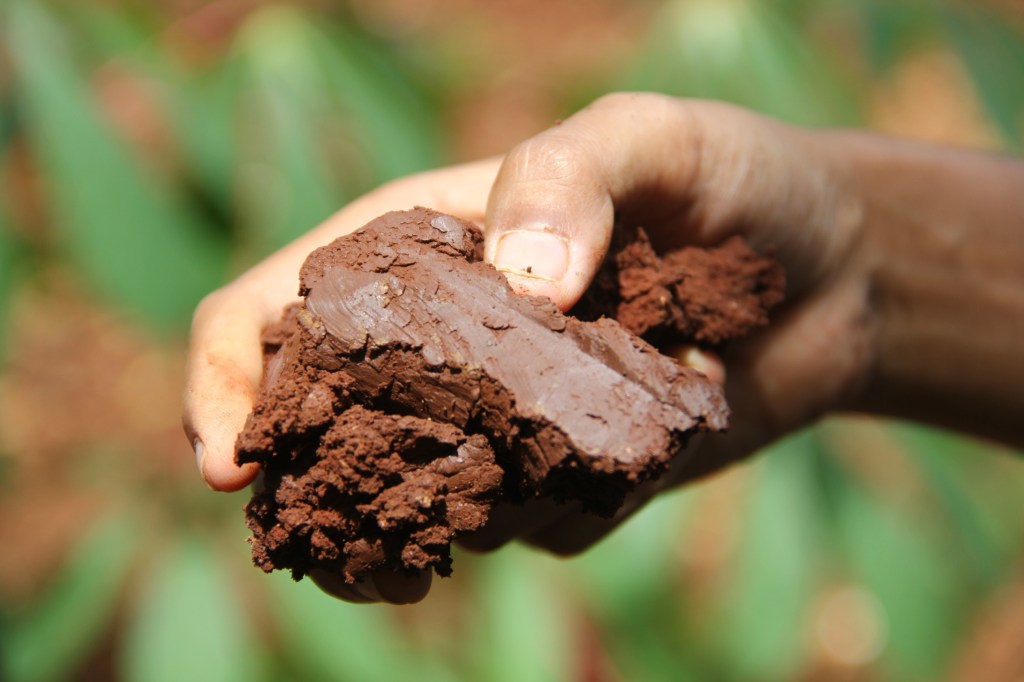
- Fine, light texture.
- Dark brown color.
- Few to no large chunks that have not fully broken down.
- An earthy smell that is not sour.
Minick’s Dark Forest compost contains a high proportion of pre-consumer food waste and is Organic Materials Review Institute (OMRI) listed. This means it is produced using verified methods, is free from prohibited substances and pathogens, and meets temperature and microbe guidelines. It has a uniform, coarse texture and is available in bulk or bagged.
How Much Compost Do You Need to Buy?
Bulk compost is usually sold by the cubic yard (i.e., 27 cubic feet). One cubic yard of compost will cover approximately 108 sq. ft. to a depth of 3 in., but for topdressing, a thinner layer is needed. For example, the same cubic yard will cover 648 sq. ft. to a depth of ½ in.
To find the total cubic yards required for your project, multiply the area of the yard in feet by the desired depth of compost in feet to get the total cubic feet required. Then divide the total cubic feet by 27 to convert cubic feet to cubic yards. This formula shows how to do the math:
 Minick also sells compost in bags, which contain two cubic feet each, and will require additional calculations. Our staff is always available to help you determine the correct volume of compost needed for your project.
Other Ways to Help Your Lawn Recover After Winter
In addition to topdressing with compost, there are other ways to help your lawn get ready for spring and the growing season. Some helpful steps include:
- Aeration with a pitchfork or rotary aerator to loosen soil and improve airflow.
- Filling in low or uneven spots with topsoil.
- Adding organic soil amendments for targeted nutrition.
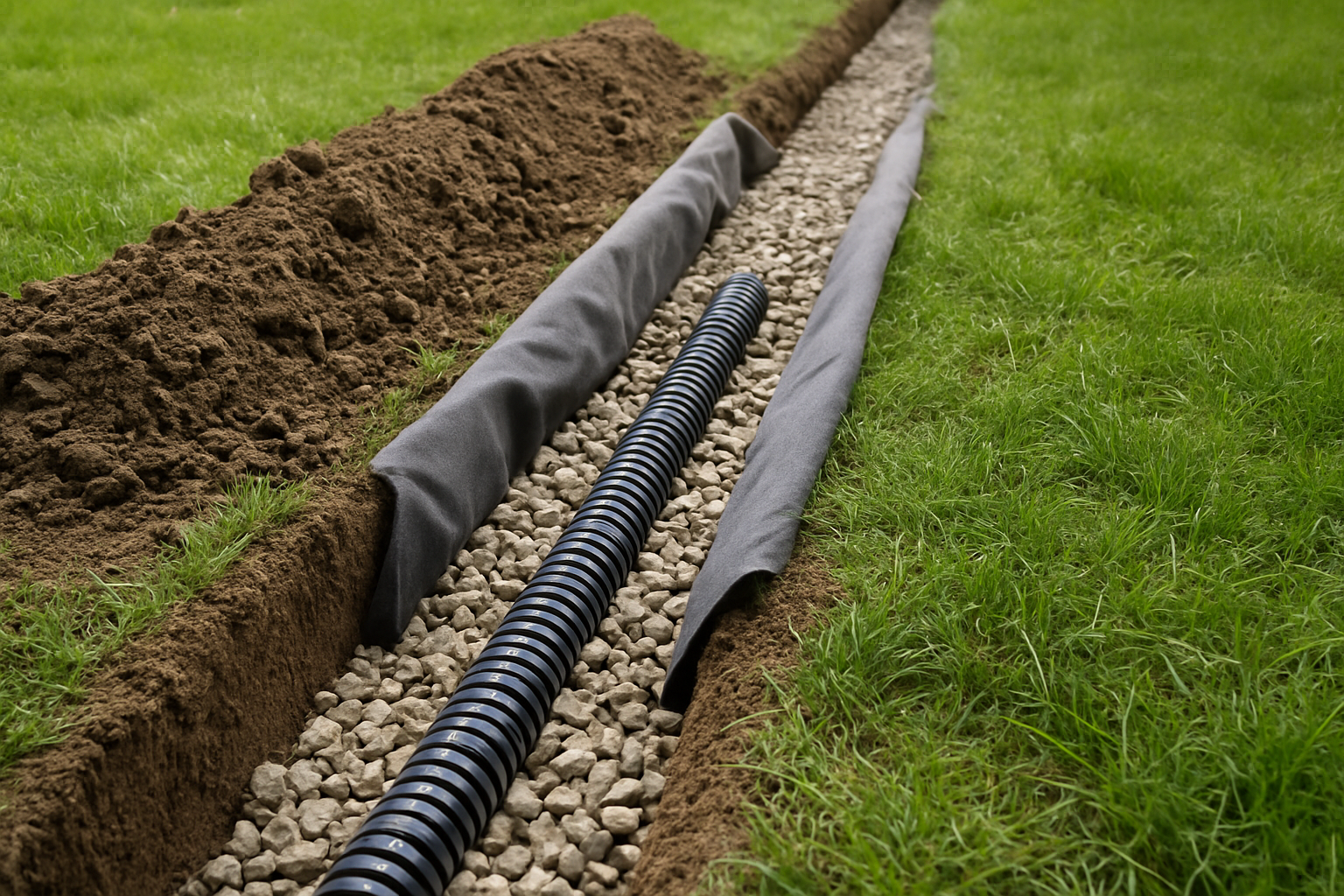
- Improving drainage with a DIY decorative rock channel.
Help Your Lawn Spring to Life After Winter With Minick Materials
As winter approaches, don’t forget to think about your spring yard and garden! Planning ahead makes it easier to gather materials and get to work quickly when temperatures rise. Check out Minick’s offerings, and get in touch about pricing and delivery options for our top-quality compost, spreader rentals, and everything else you need to keep your lawn healthy and happy.